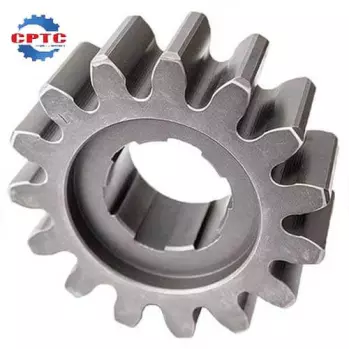
The allowable wear limit for a hoist rack and pinion generally refers to the maximum amount of material loss or tooth deformation that can occur before the components must be replaced. Excessive wear reduces the contact area between the rack and the pinion, which can lead to slippage, abnormal noise, vibration, and increased stress on the drive system. In severe cases, worn teeth may skip or break, posing significant safety risks.
For most construction hoists, industry practice and manufacturer guidelines indicate that the rack tooth thickness should not wear more than about 10% of the original tooth thickness. If the wear exceeds this level, the rack should typically be replaced. Similarly, the pinion gear should be inspected regularly, and if the tooth profile becomes noticeably pointed, chipped, or worn beyond acceptable tolerance, replacement is recommended. Because the pinion usually rotates much faster than the rack experiences load cycles, it often wears faster and may need replacement more frequently.
Another important factor is uneven wear. Even if the overall wear appears within limits, localized wear, pitting, cracking, or deformation of the tooth surface can compromise the meshing accuracy between the rack and pinion. This can cause dynamic loads and accelerate further damage to the drive system. Proper lubrication, alignment, and routine inspection are critical in minimizing such problems.
Regular inspection should include measuring tooth thickness, checking tooth profile integrity, and observing the contact pattern between rack and pinion during operation. Maintenance teams often use calipers or specialized gauges to compare the current tooth dimensions with the original specifications provided by the hoist manufacturer.
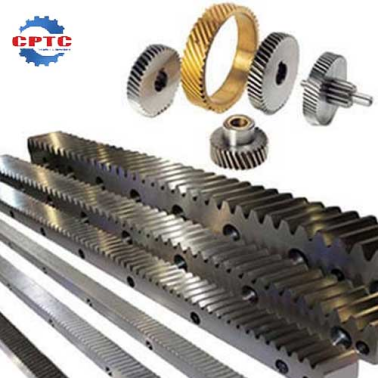
In conclusion, the allowable wear limit for a hoist rack and pinion is typically around 10% tooth thickness loss, though exact values depend on manufacturer specifications and safety standards. Routine inspection, proper lubrication, and timely replacement of worn components are essential to ensure safe and reliable hoist operation on construction sites.